
Temple & Treasury
Gold—though endlessly discussed—has rarely been a true monetary metal. Not because it lacks monetary value, but because it was almost never used as everyday currency or as a medium of exchange.
Gold is the highest-value and cleanest store of wealth. And like any very high-denomination note, it tends to disappear from circulation. It vanishes into treasuries and temple vaults.
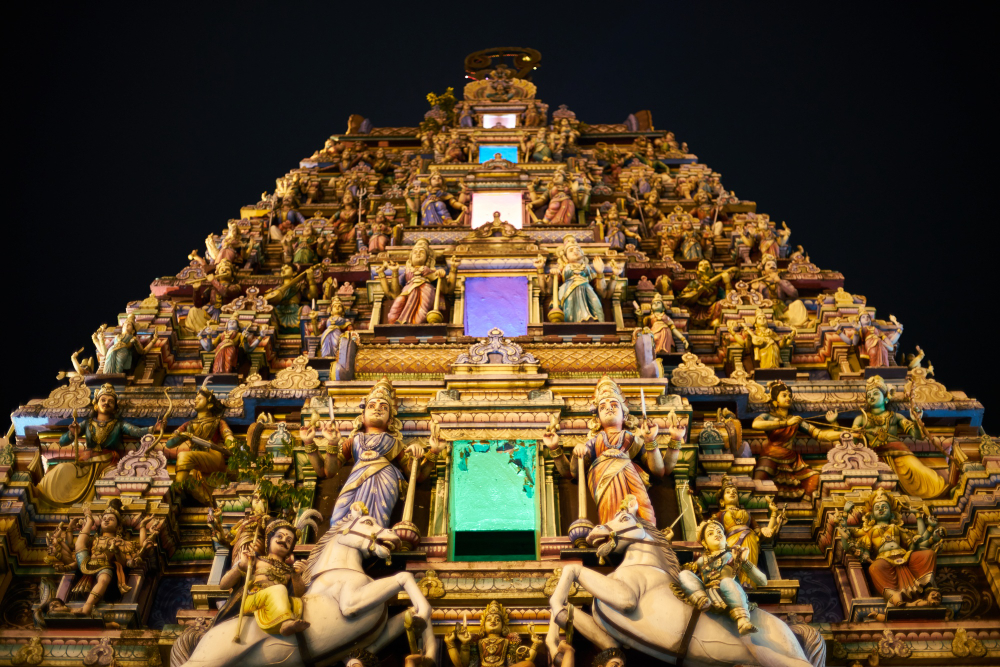
Ancient state treasuries functioned much like modern sovereign central banks. Over time, they accumulated gold and issued currency in silver or copper. Whatever did not reach the state often found its way into temples. Temples accumulated gold through offerings from both blue bloods and commoners, and issued claims against this wealth—via clay tablets in Mesopotamia or tokens in Egypt.
In some cases, temple and state treasury became one. Athens is the classic example: the Acropolis served simultaneously as the treasury of the state and the temple of the city’s presiding deity.
What happened in the past tends to echo into the future.
As mercantile economies generate surplus, wealth first accumulates in sovereign instruments—once U.S. Treasuries, and increasingly now, gold. This “non-monetary” gold vanishes through a one-way door.
Once gold recedes into a state’s vault, it rarely sees the light of day again—often for generations.
We are moving toward such a phase. This time, it will not be the temple on a little hill in Aegean , but state treasuries alone that hoard the gold.
And interestingly, not every treasury will get to hold it.
China, running a surplus of roughly $1.2 trillion, is increasingly refusing U.S. Treasuries. It is shedding Western and Eastern sovereign debt in exchange for commodities and hard assets—gold foremost among them.
The world holds roughly $45 trillion worth of gold. China, official balance sheets aside, likely controls close to $2.5 trillion of it. At its current pace of accumulation, it is only a matter of time before China becomes the dominant player—the one holding both the money and the assets in this global game of Monopoly (the chill in monopoly who has all the money and the hotels!). That has never happened before. Still, there’s no need to panic—it’s a few years away.
Until then, buy and enjoy what has always lived behind the closed doors of temples and treasuries
This article is published for informational purposes only and does not constitute investment advice or analysis. The information presented has been sourced from public domains and has not been independently verified. Vasuki Group makes no representations or warranties regarding the accuracy, completeness, timeliness, or reliability of the content. Neither Vasuki Group nor its affiliates, directors, employees, or representatives shall be liable for any errors, omissions, or reliance on the information provided. This article does not constitute an offer, solicitation, or recommendation for any investment, securities transaction, or contractual engagement. Readers should conduct their own due diligence before making any financial decisions. Any views expressed are those of the author and do not necessarily reflect the opinions of Vasuki Group. Further, Vasuki Group may hold or take positions in the market that differ from the views expressed in this article. All rights reserved. Vasuki Group reserves the right to update or modify this article at its discretion. For more information, reach out to us on research@vasukiindia.com.